This is general home coffee and tea information, not medical, electrical, plumbing, food-safety, or professional barista advice. Check appliance instructions, ingredients, caffeine needs, and current product details.
Match Tea Temperature and Steep Time to the Leaf starts with a real home-drink moment, not a display counter. Use this guide when a tea that turns harsh, weak, or inconsistent even though the same leaves are used. The aim is to make the next cup easier to prepare, easier to clear, and easier to repeat in the kitchen you already have.
For this tea, matcha, and calm drinks decision, keep attention on the packet guidance, water heat, leaf amount, steep time, and result in the cup. Those details reveal whether the answer is a smaller batch, a clearer placement, a short written cue, or a product with a specific job.
Run the first test on a normal day. A setup that works only during a quiet weekend photo session is not yet a dependable household routine.
Read the current drink route once
Make the drink the way it normally happens and watch the packet guidance, water heat, leaf amount, steep time, and result in the cup. Do not tidy first. Notice the pause, spill, repeated cabinet opening, forgotten ingredient, crowded shelf, or cleanup step that makes the routine feel larger than the cup.
Write only the friction you can observe. 'The coffee area is messy' is too broad; 'the filter box blocks the kettle refill and the wet scoop has nowhere to land' gives the next change a clear job. One precise sentence keeps the project from becoming a kitchen redesign.
- Name where the route starts and ends.
- Notice what is reached for twice.
- Mark the wet, hot, noisy, or spill-prone step.
- Separate daily tools from backup supplies.
Choose one useful baseline
Pick a baseline that can be repeated without special effort: one cup size, one batch, one brewer, one tea packet's directions, or one weekday schedule. Record only the measurements that change the result or the workload.
A baseline is not a claim that there is one perfect recipe. It is a calm starting point. Change one variable at a time and keep the version that tastes good enough, fits the available time, and leaves a cleanup job the household will actually finish.
- Use the same cup or serving size for the first tests.
- Change one variable, not the whole setup.
- Write one taste or effort observation.
- Stop refining when the routine already works.
Make the setup easy to read
Arrange the active area around the packet guidance, water heat, leaf amount, steep time, and result in the cup. Keep the next action visible and move occasional equipment or unopened stock away from the working surface. The goal is not to display every option; it is to reduce searching while water is heating or a cold drink is being assembled.
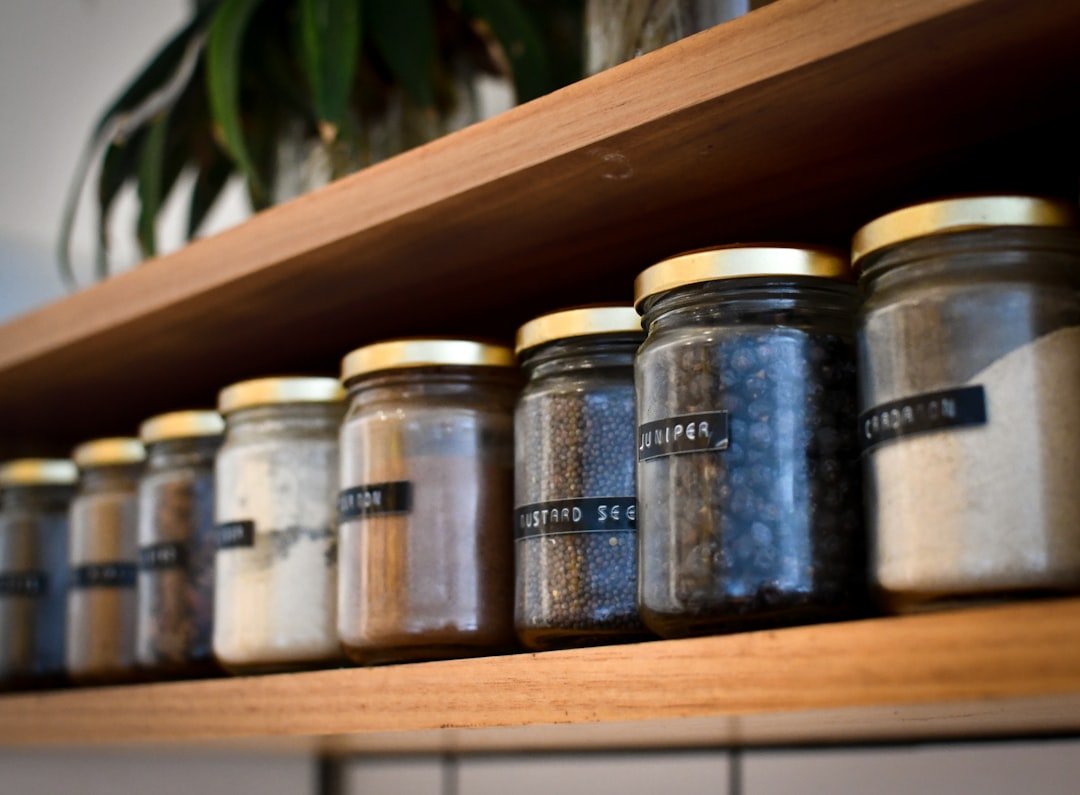
Use containers only when they clarify what belongs together. A tray should lift and reset in one move. A jar should preserve the original label or make the contents and date obvious. A fridge lane should be narrow enough that an older bottle cannot disappear behind a newer one.
- Keep one clear landing place for hot or wet tools.
- Put the everyday cup within the natural route.
- Retain labels, dates, and preparation directions.
- Give backups a separate home.
Plan the reset before the first pour
The reset belongs inside the drink routine. Decide where grounds, leaves, filters, drips, milk tools, bottles, and spoons go before the cup leaves the kitchen. Keep the cloth, brush, bin, compost route, or washing-up place close to the mess it handles.
A useful reset is short and specific: rinse the part that held milk, empty the filter, wipe the wet patch, close and return the bag, date the pitcher, or leave the kettle ready for its next normal use. Avoid saving a collection of tiny jobs for an imaginary deep-cleaning day.
- Clear food and milk residue promptly.
- Let washable parts dry as the manual directs.
- Return only clean, dry tools to storage.
- Put recurring maintenance on a simple calendar.
Test the routine through a normal week
Use the new arrangement during the week you actually have. Pay attention to whether a tea that turns harsh, weak, or inconsistent even though the same leaves are used. A good change should shorten decisions or cleanup without making another person guess where shared items went.
At the end of the test, keep what reduced friction and remove what became decoration. If a batch was too large, shrink it. If a tool still wandered, give it a clearer landing place. If the household ignored a special ingredient, do not let its purchase create a permanent storage system.
- Try the setup at the busiest usual time.
- Check whether another household member can understand it.
- Notice waste, leftovers, and duplicate stock.
- Keep the smallest version that works.
Buy only for the bottleneck you found
Consider a temperature-control kettle, tea timer, infuser, or measuring spoon only after the weekly test names a repeated bottleneck. Write the job first, then compare dimensions, materials, capacity, cleaning steps, replacement parts, warranty, return terms, and where the item will live between uses.
A specialist tool may improve control, but it can also add setup, noise, storage, or another part to wash. Compare it with the simpler route already in the kitchen. The useful purchase is the one that removes more work than it introduces and remains easy to use when the morning is ordinary.
- Measure the real storage and working space.
- Read the manual or care directions before checkout.
- Include consumables and replacement parts in the cost.
- Keep the receipt and test within the return window.
Keep food, heat, and caffeine boundaries visible
Follow appliance manuals, product labels, storage directions, allergen information, and use-by guidance. Keep cords, hot vessels, steam, and glass away from edges and busy traffic paths. Clean food-contact parts with the method intended for that material and appliance.
Caffeine needs and sensitivities differ. Keep regular and decaffeinated options clear, notice serving size, and use qualified medical guidance for personal health questions. This site offers ordinary home-routine guidance, not medical, nutrition, electrical, or professional barista advice.
- Keep original labels and instructions available.
- Date prepared drinks and opened items when useful.
- Discard food or drink when safety is uncertain.
- Ask a qualified professional about personal health concerns.
Leave one cue for the next cup
Finish by making the next action obvious. That might mean refilling the small filter stack, moving tomorrow's mug into place, closing the open bean bag, washing the pitcher, or writing the maintenance date where the household will see it.
For match tea temperature and steep time to the leaf, success is not a perfect station. It is a route that stays understandable, produces a drink the household enjoys, and returns the kitchen to useful condition without requiring a second project.
- Reset the working surface.
- Leave one refill or maintenance cue.
- Record one lesson worth repeating.
- Move to a related guide only when the next friction is clear.